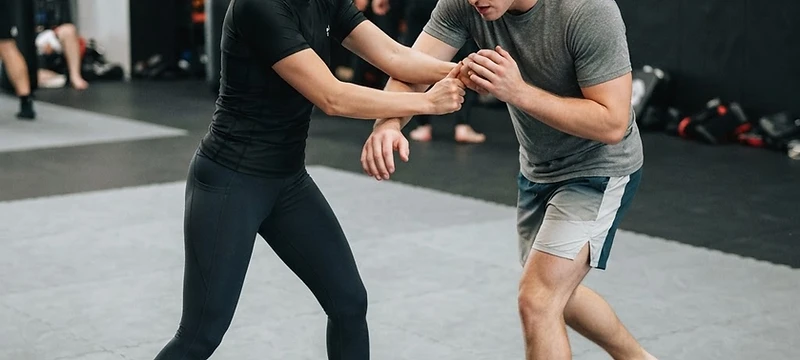
How kickboxing delivers full-body fitness, serious calorie burn, and genuine skill — and why it beats the gym, running, and generic HIIT classes for people across West Sussex.
The Problem With Conventional Fitness
Most fitness routines fail for a simple reason: they're boring. Treadmills, weight machines, and generic HIIT classes offer intensity but no skill, no progression, and no community. Without a goal beyond "getting fit," motivation fades and the membership goes unused.
Kickboxing fixes this by giving your fitness a purpose. Every session you're learning a real skill — how to throw a combination, move your feet, time a strike. You're progressing measurably. You're part of a group. And you're working harder than you would on any machine, often without noticing because you're focused on the technique in front of you.
The Numbers: Calories and Conditioning
A typical kickboxing class burns 600–800 calories per hour, depending on intensity and body weight — significantly more than most gym activities. The combination of upper-body striking, lower-body kicking, constant movement, and high-intensity intervals means your whole body works the entire time. And because kickboxing builds lean muscle as well as burning fat, you continue to burn calories after the session thanks to the afterburn effect.
Full-Body Functional Fitness
Conventional workouts isolate muscle groups — chest one day, back the next. Kickboxing trains your body as an integrated unit, which is how it's designed to move. Punching power comes from your legs and hips, transfers through your core, and exits through your fist. Kicking requires balance, flexibility, and strength from your entire lower body and core. The result is functional, athletic fitness that translates into how you move in everyday life.
Cardio, Core, and Coordination
The interval nature of kickboxing — short, intense bursts of work followed by brief rest — produces rapid improvements in cardiovascular fitness. Within weeks you'll notice you're less breathless climbing stairs or chasing the kids. Every punch, kick, and defensive movement requires your core to stabilise your body, so kickboxing builds a strong, functional core far more effectively than endless sit-ups. And the constant coordination work — hands and feet together, head movement, reacting to the pads — sharpens your reflexes, balance, and body awareness.
Kickboxing vs. Other Options
vs. the gym. A gym gives you equipment but no direction, progression, or accountability. Kickboxing gives you expert coaching, a clear path, a community, and a skill to master.
vs. running. Running is great for cardio but repetitive, hard on joints, and only works your lower body. Kickboxing works your whole body, develops skill, and is far more varied.
vs. HIIT classes. Generic HIIT offers intensity but no skill — the same burpees week after week. Kickboxing gives you the same intensity plus a rewarding skill you develop over years.
The Mental Health Bonus
We can't talk about kickboxing without mentioning its mental health benefits. Regular training reduces stress, anxiety, and symptoms of depression. It improves sleep, boosts self-esteem, and provides a sense of achievement that's deeply satisfying. The focus required during training is a form of moving meditation — you can't think about your worries when you're concentrating on a combination. Many of our members describe their kickboxing sessions as the best part of their week.
Who It's For
Everyone. The majority of our members had never thrown a punch before starting. Our beginner classes teach from the ground up. If your goal is fitness, you don't need to spar — most members never do. We have members well into their 50s and 60s who train regularly, and our coaches can modify anything to suit your body. Kickboxing is scalable: you work at your own pace.
How to Start
Book a free trial, arrive 10–15 minutes early, wear comfortable workout clothes, and bring water. You don't need to be fit, experienced, or equipped. Your first class will be a friendly introduction to the fundamentals, and you'll leave fitter, calmer, and having learned something new.
Frequently Asked Questions
How often should I train for fitness? Two to three times a week is ideal. You'll see significant changes in 4–8 weeks.
Will I bulk up? No. Kickboxing builds lean, functional muscle, not bulk. Combined with sensible eating, it's excellent for fat loss.
Do I need to spar? No. Sparring is entirely optional. Most members train purely for fitness.
Is it suitable for beginners? Completely. Our beginner classes assume no experience and teach everything from scratch.
What should I wear? Comfortable workout clothes and clean indoor shoes or bare feet. We provide all equipment for your first sessions.
Discover the best workout in Billingshurst. Book your free kickboxing trial today.
Ready to start training?
Book your free BJJ or kickboxing trial class at Billingshurst BJJ today.
Book a Free Trial